Choosing the Right Deck Builder: What to Look For in Deck Services
Choosing the most suitable deck builder is a crucial step in any construction project. Homeowners must evaluate various factors, such as the builder's background, professional image, and communication abilities. A detailed evaluation of their portfolio and references can disclose much about their skill. However, knowing what to specifically look for can make all the difference in achieving a successful outcome. As the process advances, several key considerations come into play that call for careful consideration.
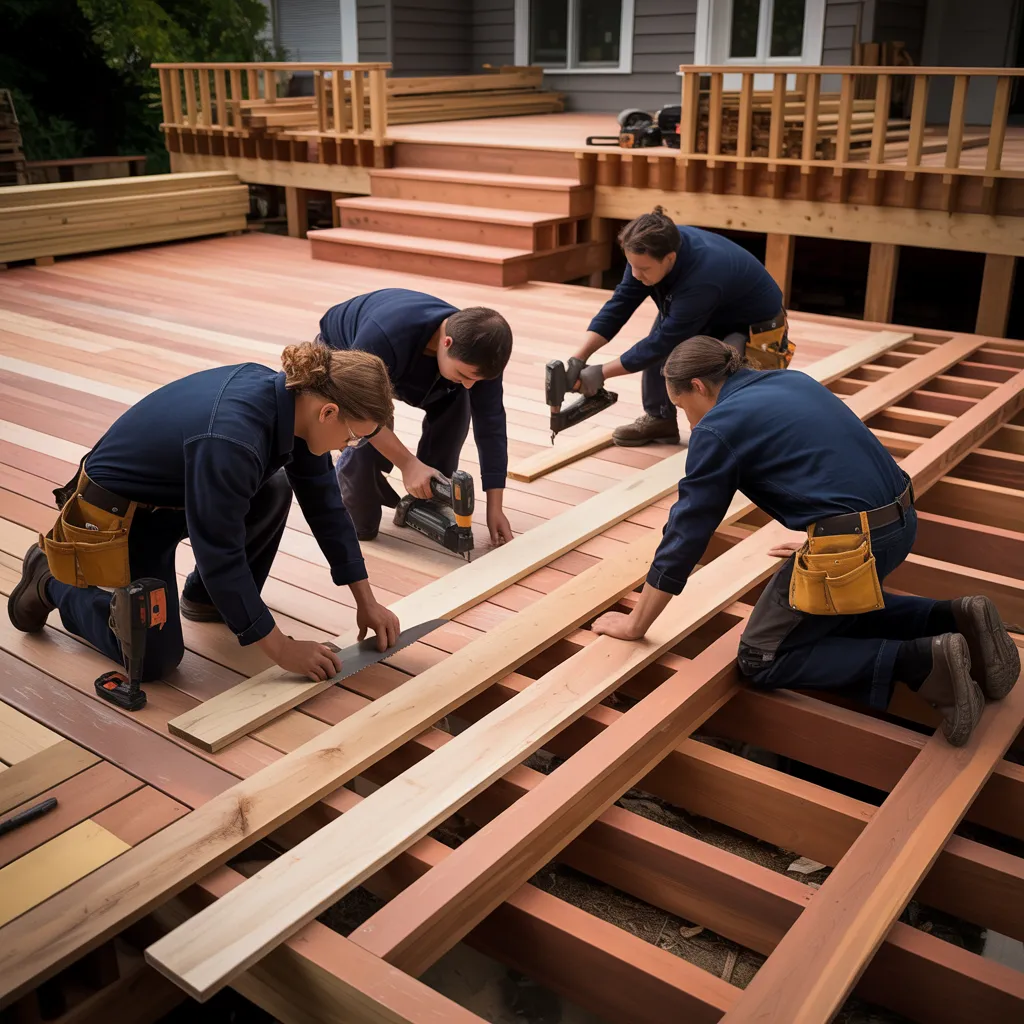
What to Look for When Choosing a Deck Builder for Your Home?
When hiring a deck builder for a home, what should homeowners take into account? Initially, they should assess the builder's experience and reputation within the community. Established builders often have a portfolio showcasing previous projects, which can give a clear picture of their workmanship and design approach. Homeowners should also look into licenses and insurance to guarantee that the builder meets local regulations and can handle any potential claims.
In addition, it is crucial to assess the construction professional's ability to communicate and respond effectively. Clear and open communication can lead to a more seamless overall project experience. Clients should seek references from former clients to measure reliability and satisfaction levels.
Finally, considering the materials and designs offered is crucial, as this directly impacts both visual appeal and longevity. By diligently assessing potential contractors based on these important standards, homeowners can make a more informed decision that matches their goals and requirements.
How to Create a Realistic Budget for Your Deck
Setting a reasonable financial plan for a deck requires thorough assessment of several costs. It is vital to assess construction material expenses, as varying materials can considerably alter the overall price. In addition, including labor expenses will ensure that the budget meets both objectives and monetary capabilities.
Determine Material Costs
Calculating material costs is critical for creating a accurate budget for a deck construction project. Homebuilders should start by exploring a variety of materials, including composite, wood, and PVC, each of which has distinct pricing and lifespan. Comparing costs from multiple suppliers can offer a clearer picture of current market rates. In addition, it is necessary to account for not only the cost per square foot but also the total amount necessary, accounting for waste and any custom features, such as stairs or railings. Being aware of the long-term maintenance costs associated with different materials can also affect the initial budget. By carefully evaluating these factors, homeowners can develop a more detailed financial plan that matches their goals and expectations for the deck project.
Factor Labor Expenses
Labor fees play a significant role in shaping the complete budget for a deck installation. Homeowners need to account for the expenses related to skilled labor, which can differ depending on the intricacy of the project and the geographic location. A detailed breakdown of installation labor hours will provide better insight into the overall costs. Homeowners should obtain multiple quotes from various deck contractors to assess cost differences. Furthermore, knowing the experience level of the contractors can influence costs; seasoned professionals may charge more but typically provide superior results. At the end of the day, including both labor and material costs will allow homeowners to create a comprehensive and practical budget for their deck installation.
Vital Questions to Ask Your Deck Builder?
When selecting a deck builder, what important questions should be asked to secure a satisfactory project? Initially, inquire about their background and proficiency in deck construction. Learning how many years they have worked in the field and the types of projects they have completed can provide insight into their capabilities. Next, ask for referrals or portfolios of completed work to gauge their craftsmanship and customer satisfaction.
It's equally important to address timelines. How long is the project expected to take, and what measures do they have in place for handling delays? Furthermore, confirm their licensing and insurance standing to guarantee compliance with local requirements and safeguard against potential liabilities.
Inquiring about the recommended materials and their origin can demonstrate their dedication to excellence. To conclude, discuss the warranties provided on materials as well as labor, as this can reflect the contractor's trust in their craftsmanship. These questions will help secure a successful partnership.
How to Find a Deck Builder You Can Trust
What steps can homeowners take to ensure they hire a trustworthy deck builder? The journey begins with thorough research. It is advisable for homeowners to gather suggestions from friends, family, or neighbors who have experienced similar work. Checking online reviews and testimonials can provide valuable insights into a builder's reputation.
In addition, checking credentials is crucial. Homeowners should ensure that the contractor possesses the required licenses and insurance, which guards against potential legal liabilities. A credible builder will supply straightforward quotes and complete contracts, outlining project scope and timelines.
Interviews can also play an important role; asking about past projects, experience, and warranties can help gauge reliability. Finally, a strong communication style is fundamental. A contractor who pays attention and resolves concerns exhibits professionalism and integrity. By following these steps, homeowners can greatly increase their chances of selecting a dependable deck builder.
Selecting the Best Materials for Longevity and Visual Appeal
Selecting the right options for a deck is important for achieving both longevity and visual charm. Homeowners should evaluate a range of options, including PVC, wood, and composite materials. Natural wood, such as redwood or cedar, provides a timeless look but demands regular maintenance to prevent deterioration and discoloration. In contrast, composite flooring combines reclaimed materials and wood fibers, delivering improved longevity and reduced maintenance while mimicking the appearance of wood.
Moreover, PVC decking is wholly synthetic, offering superior weather resistance and color retention. When evaluating material options, it is important to evaluate factors such as climate, intended use, and personal style preferences. A comprehensive approach confirms the deck not only suits the home's exterior but also withstands the test of time. At the end of the day, selecting top-quality materials aligned with specific needs will elevate both the longevity and visual appeal of the outdoor space.
Uncovering Design Options for Your Deck Builder
What design options are available for homeowners looking to create the perfect deck? Deck builders offer a variety of styles to suit diverse aesthetics and functional needs. Traditional designs, including rectangular or square configurations, offer simple functionality, while multi-tiered decks can boost visual appeal and optimize space utilization. Homeowners can additionally explore curved contours for a gentler aesthetic, incorporated seating for greater convenience, and railings that showcase personal character.
Material choices further influence design, since composite, wood, or aluminum options can be combined to create distinctive aesthetics. Furthermore, adding elements such as built-in lighting and planters can enhance the deck's atmosphere. Personalizing the deck's color and texture provides a tailored touch, guaranteeing it complements the home's exterior. In the end, the possibilities are vast, allowing homeowners to work closely with their deck builder to create a customized outdoor area that satisfies both visual and functional requirements.
Licensing and Insurance: What to Check?
When choosing a deck builder, it is important to check their licensing and insurance status. Valid licensing ensures compliance with local regulations, while liability coverage safeguards homeowners from potential harm. Furthermore, checking worker coverage can safeguard against any accidents that may occur on the job site.
Check Appropriate Licensing
When looking to hire a deck builder, it is essential to verify that they possess the necessary licenses and insurance. Adequate licensing ensures that the builder follows local regulations and building codes, which is vital for maintaining safety and quality. Every state or municipality may have particular licensing requirements for deck construction, so potential clients should look into what applies in their area. Additionally, a properly licensed builder typically shows dedication to industry standards and professionalism. Verifying proper licensing not only safeguards the homeowner but also affirms that the builder has undergone required training and evaluations. Prospective clients should obtain documentation and check its legitimacy before proceeding with any contracts or agreements, ensuring a more dependable investment in their decking project.
Confirm Liability Insurance
Liability insurance serves as a vital shield for both homeowners and deck builders during building projects. This form of insurance defends against possible damages or injuries that might take action arise on-site, guaranteeing the homeowner faces no financial liability for accidents affecting workers or bystanders. When selecting a deck builder, it is crucial to ensure that the contractor holds sufficient liability insurance. This coverage not only demonstrates professionalism but also delivers peace of mind. Homeowners ought to request proof of insurance and confirm its validity before proceeding with any contracts. Through this process, they can minimize risks and safeguard their investment, ensuring a smoother construction process without unforeseen financial obligations.
Learn About Worker Coverage
How can homeowners ensure their deck installation project runs efficiently and safely? One essential factor is confirming worker coverage via adequate licensing and insurance. Homeowners are advised to verify whether the deck builder maintains workers' compensation insurance. This coverage protects homeowners from liability in case of accidents or injuries that occur on-site. Additionally, verifying the builder's licensing can assure compliance with local regulations and standards. A reliable deck builder will easily furnish evidence of both their insurance and licensing. By raising these concerns, homeowners can reduce potential liabilities, guaranteeing the project is finished safely and expertly. At the core, transparent discussion about worker coverage aids in developing trust between homeowners and deck builders, encouraging a beneficial working partnership.
The Importance of Referrals and Reviews in Deck Building
What makes referrals and reviews so critical in the deck building process? They act as dependable measures of a contractor's quality and expertise. Recommendations from friends, family, or nearby residents can provide firsthand insights into a contractor's dedication, skill, and punctuality. These firsthand endorsements typically hold greater credibility than marketing assertions.
Moreover, online reviews present a more extensive perspective. They enable potential clients to gauge overall customer satisfaction and recognize recurring issues. A pattern of encouraging feedback can reveal a reliable builder, while consistent negative reviews may present red flags.
Furthermore, reviews commonly describe detailed accounts, enabling clients to grasp what to expect throughout the project. In an industry where craftsmanship and reliability are paramount, the significance of testimonials and referrals cannot be understated. They enable homeowners to reach informed decisions, ultimately resulting in a rewarding deck building experience.
Common Questions and Answers
What Is the Standard Timeline for Deck Building Projects?
The usual duration for deck construction work varies, generally ranging from two to six weeks. Factors influencing this duration include design intricacy, material accessibility, weather circumstances, and the builder's availability and workload.
Can Changes Be Made During the Building Process?
Changes can often be made throughout the construction process, but they could affect project timelines and overall costs. It is crucial to get in touch with the builder without delay to ensure adjustments align with the project's goals and deadlines.
What Kinds of Warranties Are Typically Offered by Deck Builders?
Deck contractors commonly provide warranties covering craftsmanship, materials, and structural integrity. These guarantees commonly extend from one to ten years, providing protection against defects and workmanship issues and instilling confidence in the overall quality and longevity of the completed work.
How Do Weather Conditions Affect Deck Building Schedules?
Meteorological factors heavily influence deck installation planning, as rain, snow, or extreme temperatures can disrupt the building schedule. Contractors need to adjust their schedules to make certain all materials set and cure as needed and proper safety procedures are followed throughout the project.
What Are Standard Maintenance Requirements for Different Types of Deck Materials?
Common maintenance requirements vary by material. Wooden decks require frequent sealing and staining, while composite materials simply need regular cleaning. Aluminum decks are low-maintenance but may need inspections for corrosion, ensuring longevity and safety.